Nearly three years after one of Gujarat’s most shocking road crash tragedies, the Supreme Court has granted regular bail to Tathya Patel, the main accused in the Ahmedabad ISKCON Bridge crash case that claimed nine lives and left several others injured.
The apex court directed Patel to deposit ₹1 crore before the trial court within 15 days as a condition of bail. At the same time, the court made it clear that the amount should not be interpreted as compensation to victims or their families. The question of compensation, the court observed, would be determined separately during the trial process depending on the final outcome of the case.
The decision has once again brought national attention to a tragedy that sparked widespread outrage across India and intensified discussions around reckless driving, accountability, road safety, and the legal treatment of high-profile accident cases.
The Crash That Shocked the Nation
The ISKCON Bridge tragedy occurred in Ahmedabad in July 2023 and quickly became one of the country’s most discussed road accident cases.
According to the prosecution’s allegations, Tathya Patel was driving a Jaguar at extremely high speed when the vehicle crashed into a crowd gathered near an earlier accident site on the ISKCON Bridge.
The impact proved devastating.
Nine people lost their lives, while several others suffered injuries.
Videos and images from the scene circulated widely across social media platforms and news channels, triggering intense public anger and demands for strict legal action.
The case became symbolic of larger concerns regarding dangerous driving, speeding by luxury vehicle owners, and the growing number of fatal road accidents involving young drivers.
Public attention remained unusually high because of both the scale of the tragedy and the circumstances surrounding the crash.
Why the Case Became So Significant
Road accidents occur regularly across India, but certain incidents become national flashpoints.
The ISKCON Bridge crash became one of those cases because it touched multiple public concerns simultaneously.There was the loss of human life.There were allegations of extreme speeding.There were questions regarding accountability.
There was also a broader public perception that affluent individuals often receive preferential treatment within the legal system.
As a result, the case generated emotional reactions far beyond Gujarat.
For many observers, it represented more than a criminal proceeding. It became a test of how the justice system responds to high-profile accident cases involving serious allegations.
The Long Legal Journey
Following the crash, investigators moved quickly.A chargesheet was reportedly filed within days of the incident.
However, like many major criminal cases in India, the legal process extended over a long period.
The prosecution listed 191 witnesses, highlighting the complexity and scale of the proceedings.
Witness examination, procedural hearings, legal challenges, and various applications contributed to the lengthy timeline.
Reports indicate that statements from around 29 witnesses have already been recorded, while many others remain to be examined during the ongoing trial.
Patel’s previous bail requests had been rejected by lower courts and the Gujarat High Court, with judicial authorities citing the seriousness of the allegations and broader societal implications of the case.
The Supreme Court’s latest decision therefore marks a major turning point in the proceedings.
Understanding the Supreme Court’s Decision
The Supreme Court’s order has generated significant discussion because of its balance between legal principles and public sensitivity.
While granting regular bail, the court imposed a condition requiring Patel to deposit ₹1 crore before the trial court.
During the hearing, discussions reportedly took place regarding financial assurance connected to the case. The court ultimately directed the deposit while simultaneously clarifying that the amount should not be viewed as compensation.This distinction is legally important.
Compensation typically depends on judicial findings regarding responsibility, liability, and the outcome of the trial.
Since Patel has not been convicted and the proceedings remain ongoing, the court chose not to prejudge that issue.
The order reflects a core legal principle: bail should not be treated as a final determination of guilt or innocence.
Bail Versus Conviction: A Common Misunderstanding
One reason high-profile bail decisions often trigger public controversy is confusion between bail and acquittal.Granting bail does not mean charges have been dismissed.It does not mean the accused has been declared innocent.
It simply means the court has decided that continued pre-trial detention is no longer necessary under specific legal conditions.
Indian courts have repeatedly emphasized that bail and trial serve different purposes.The trial determines guilt or innocence.
Bail addresses whether an accused person should remain in custody while that process continues.In Patel’s case, the trial remains active and unresolved.The charges against him have not disappeared.The legal proceedings will continue regardless of the bail order.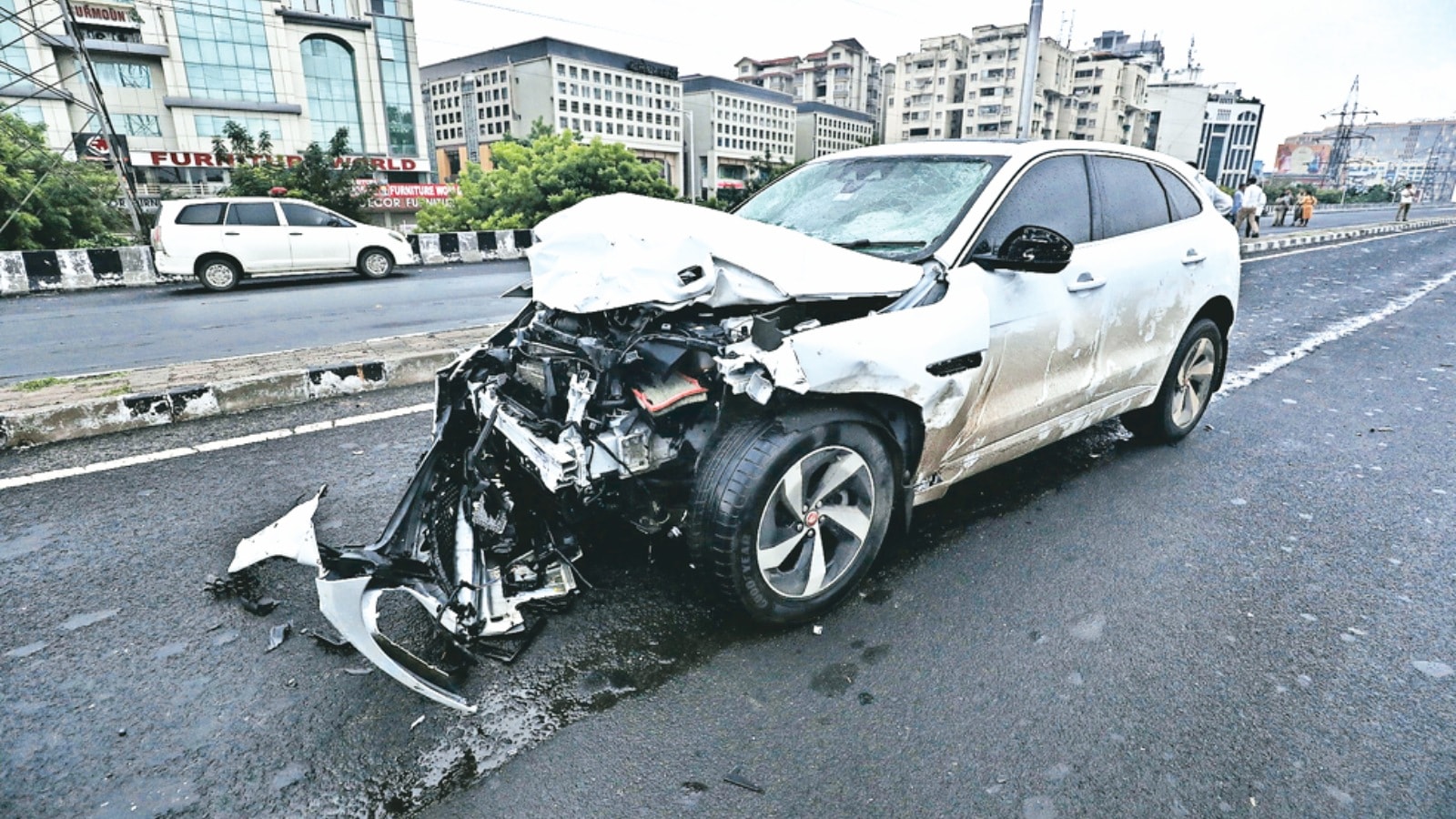
The Debate Around Undertrial Detention
The case has also reignited broader discussions regarding undertrial incarceration in India.
Patel spent nearly three years in custody before receiving regular bail. During this period, the trial progressed but remained incomplete due to the scale of witness examination and procedural requirements.
Legal experts often point out that prolonged pre-trial detention creates difficult constitutional and judicial questions.
Courts must balance multiple concerns:
The seriousness of allegations
Public interest
Witness protection
Risk of evidence tampering
Flight risk
Individual liberty
Trial delays
When cases take years to conclude, these competing considerations become increasingly complex.
The Supreme Court’s decision appears to reflect this tension between the gravity of the allegations and the length of time already spent in custody.
Road Safety Remains the Larger Issue
Beyond the courtroom, the ISKCON Bridge case continues to highlight India’s ongoing road safety crisis.
Every year, thousands of lives are lost in accidents linked to speeding, reckless driving, poor infrastructure, and inadequate enforcement.
The Ahmedabad tragedy became particularly impactful because it demonstrated how a single moment of alleged negligence can produce devastating consequences for multiple families.
Public outrage following the incident led to renewed conversations about:
Speed enforcement mechanisms
Traffic surveillance systems
Driver accountability
Luxury vehicle misuse
Urban road safety protocols
Emergency response measures
Many road safety advocates argue that long-term reform remains essential regardless of how individual cases are ultimately decided.
Public Reaction and Emotional Complexity
The bail order has generated mixed reactions.
Some legal observers view the decision as consistent with constitutional principles surrounding liberty, due process, and undertrial rights.
Others, particularly families of victims and concerned citizens, see the development through a different lens.
For those directly affected by the tragedy, the emotional wounds remain profound.
The loss of nine lives continues to shape public memory of the incident.
This creates a difficult reality often seen in major criminal cases: legal reasoning and public emotion do not always move in the same direction.
Courts are tasked with applying legal standards.
Society often responds based on moral, emotional, and human considerations.
The ISKCON Bridge case sits at the intersection of both.
What Happens Next?
Although the bail order represents a major legal milestone, the case itself is far from over.The trial will continue before the relevant court.Additional witnesses are expected to be examined.Evidence will continue to be evaluated.
Arguments from both the prosecution and defense will proceed through the judicial process.
Ultimately, questions regarding criminal liability, punishment, and compensation remain matters for final adjudication.
The Supreme Court’s order has provided temporary legal relief to the accused, but it has not resolved the underlying case.
A Case That Continues to Resonate
The Ahmedabad ISKCON Bridge tragedy remains one of the most significant road crash cases in recent Indian memory.
Its impact extends beyond one courtroom or one accused individual.
It has become part of a larger national conversation about justice, accountability, road safety, wealth, privilege, and the pace of the legal system.
The Supreme Court’s decision to grant bail while imposing a substantial financial condition reflects the complexity of balancing legal rights with public concern.
As the trial moves forward, the focus will gradually shift back to the evidence, witness testimony, and judicial findings that will ultimately determine the final outcome.
Until then, the case remains a powerful reminder of how a single incident can continue shaping legal, social, and public debates years after the tragedy itself occurred.